Vegan Kitchen Tools: 12 Essentials
Twelve kitchen tools cover the great majority of plant-based cooking — from quick weeknight stir-fries to slow-simmered curries to weekend baking. The list below ranks tools by how often they’re used in a typical week of vegan cooking and how disproportionately useful they are. Under each one is a specific model we’d point you to, checked in stock on Amazon (live price shown beside the button). Some are essentials any kitchen needs; some are specifically valuable on a plant-based diet (tofu press, high-power blender for cashew cream sauces). All earn their counter or cupboard space.
The 12 essentials, ranked by use
1. A genuinely sharp chef’s knife (8–10 inch)
Used at every cooking session. Vegan cooking involves significantly more chopping than omnivorous cooking — a sharp knife is the single highest-impact upgrade.
A 7-inch Santoku or 8-inch chef’s knife handles the bulk of plant-food prep. Quality at the $80–$150 range (Tojiro DP, Mac MTH-80, Wüsthof Classic) lasts decades with maintenance.
Maintain it: honing rod weekly; professional sharpening yearly. A sharp cheap knife outperforms a dull expensive one.
Our pick: the Victorinox Fibrox Pro 8-inch — an inexpensive, non-slip, dishwasher-safe chef’s knife that many professional kitchens use; spend more later if you want a Japanese or German blade.
Check Victorinox Fibrox Pro price on Amazon →$47.19Price as of Oct 19, 2026, 14:03 UTC
2. High-power blender
Used 5–10 times per week in a serious vegan kitchen. Smoothies, cashew cream sauces, soups (puréed), nut milks, hummus, dressings, dips, blender pancakes.
Why it matters more on a vegan diet: plant-based cream sauces (cashew alfredo, vegan ricotta, vegan ranch) require a blender powerful enough to break down nuts to a smooth texture. A budget blender struggles. A high-power blender (Vitamix, Blendtec, Ninja Foodi 1200W+) makes silky-smooth sauces routine.
Budget alternative: an immersion blender ($30–$60) handles soups and basic blending; doesn’t replace the high-power blender for nut sauces but works for many use cases.
For reviewed picks see our Vitamix review and best vegan blender.
Our pick: the Vitamix 5200 (64 oz, 2-horsepower motor, tamper included).
Check Vitamix 5200 price on Amazon →$474.99Price as of Oct 19, 2026, 14:03 UTC
3. Cast-iron skillet (10–12 inch)
Used 3–5 times per week. Tofu searing, vegetable sautéing, frittata-style scrambles, cornbread baking, tortilla heating.
Why cast iron specifically: holds heat exceptionally for proper Maillard browning on tofu and tempeh. A pan that gets and stays hot is the difference between mushy tofu and crispy tofu. Bonus: cooking acidic foods in cast iron transfers small amounts of dietary iron.
A Lodge 12-inch costs $30 and lasts indefinitely. Pre-seasoning is improving over time on every brand. The maintenance is minimal (don’t soap-soak; dry thoroughly; light oil after washing).
Our pick: Lodge 12-inch pre-seasoned cast iron skillet.
Check Lodge 12-inch skillet price on Amazon →$29.90Price as of Oct 19, 2026, 14:03 UTC
4. Heavy-bottomed Dutch oven or 6-quart pot
Used 2–4 times per week. Lentil soups, bean stews, chili, curries, pasta water, large-batch grain cooking, bread baking (for sourdough).
A Lodge enamelled cast-iron Dutch oven runs $60–$100 and rivals Le Creuset (~$300+) for performance. Stainless-steel options are lighter and more handle-friendly.
Our pick: Lodge Essential Enamel Cast Iron Dutch Oven, 6 quart (oven-safe to 500°F per the listing).
Check Lodge Dutch oven price on Amazon →$89.90Price as of Oct 19, 2026, 14:03 UTC
5. Food processor (7–11 cup)
Used 2–3 times per week. Hummus, pesto, energy balls, nut butters (with a strong motor), cauliflower “rice,” date-based crusts and sweets, bean burger mixes, dough for crackers and pizza.
A KitchenAid 7-cup or Cuisinart 9-cup ($100–$200) covers nearly everything. Mini-choppers (3-cup) handle small jobs but won’t process bean-burger doses.
For reviewed picks see best vegan food processor and KitchenAid 9-cup food processor review.
Our pick: KitchenAid 9-Cup Food Processor (KFP0921).
See current KitchenAid 9-Cup Food Processor options on Amazon →
6. Tofu press
Used 2–3 times per week if tofu is in regular rotation.
Why it matters: pressing firm tofu removes excess water, allowing it to absorb marinades better and crisp up properly when seared. The difference between un-pressed and pressed tofu is substantial.
A purpose-built tofu press ($15–$30) is faster and tidier than improvised pressing (heavy book on a wrapped block, plate over the sink). For reviewed picks see best tofu press.
Our pick: Tofuture tofu press — a self-contained box that presses, then doubles as a marinating container; fits 8–16 oz blocks.
Check Tofuture press price on Amazon →$23.99Price as of Oct 19, 2026, 14:03 UTC
7. Sheet pan + half-sheet pan
Used 3–5 times per week. Roasted vegetables, roasted chickpeas, sheet-pan meals, baking, oven-baked tofu, granola.
Half-sheet pans (18 × 13 inches) are the standard. Two of them with parchment liners cover most needs. $15–$25 each.
Our pick: Nordic Ware Naturals half sheet set (2 pans plus a lid for storing and carrying).
Check Nordic Ware half sheet price on Amazon →$35.00Price as of Oct 19, 2026, 14:03 UTC
8. Glass storage containers (Pyrex or similar set, 6–10 pieces)
Used at every meal-prep session. Pre-cooked grains, batches of curry, soups, tofu marinades, homemade hummus storage.
Glass over plastic for: not absorbing tomato/curry stains, microwave-and-oven safe, longer life.
A 10-piece set runs $40–$60.
Our pick: Pyrex Freshlock 10-piece glass storage set with locking, airtight lids.
Check Pyrex Freshlock price on Amazon →$49.99Price as of Oct 19, 2026, 14:03 UTC
9. Microplane or fine grater
Used 3–5 times per week. Garlic mincing, ginger grating, citrus zest, vegan parmesan grating (when needed), nutmeg, chocolate.
Cheap ($15) and disproportionately useful. Replaces clumsy garlic-press handling and unevenly-mincing knife work.
Our pick: Microplane Classic Zester Grater.
Check Microplane price on Amazon →$12.99Price as of Oct 19, 2026, 14:03 UTC
10. Steamer basket or steamer pot
Used 2–4 times per week. Steamed vegetables (broccoli, kale, dumplings), tempeh-steaming (reduces bitterness before pan-frying), potatoes.
A folding stainless-steel steamer basket ($10–$30) sits inside any pot. A bamboo steamer ($20) is better for dumplings and Asian dishes.
Our pick: OXO Good Grips stainless steamer basket — fits pots 8 inches and up, and works inside an Instant Pot.
See current OXO Good Grips Stainless Steel Steamer options on Amazon →
11. Microwave-safe rice cooker / multi-cooker (Instant Pot)
Used 2–4 times per week. Rice, beans (cooked from dry in 30 min vs 90 min stovetop), oats, soups, curries.
The Instant Pot Duo ($80–$120) covers rice cooking, pressure-cooking, slow cooking, and yogurt-making. The single highest-impact appliance for vegan cooking after the blender.
For reviewed picks see Instant Pot Duo review and best vegan instant pot cookbooks.
Our pick: Instant Pot Duo 6-quart, 7-in-1.
Check Instant Pot Duo price on Amazon →$79.00Price as of Oct 19, 2026, 14:03 UTC
12. Wok or large nonstick skillet
Used 2–4 times per week. Stir-fries (the daily plant-based dinner workhorse), large-batch tofu searing, fried rice, noodle dishes, vegetable sautés.
A 13–14-inch carbon steel wok ($40–$70) develops a nonstick patina with use and outperforms most nonstick pans within 6 months. On a flat electric or induction stove, choose a flat-bottomed wok. Alternative: a 12-inch ceramic-coated nonstick pan.
Our pick: YOSUKATA 13.5-inch pre-seasoned, flat-bottom carbon steel wok.
Check YOSUKATA wok price on Amazon →$62.99Price as of Oct 19, 2026, 14:03 UTC
Tools that don’t make the top 12 (but are nice to have)
- Spiraliser — for zucchini noodles. Useful but not essential; can substitute pre-made zoodles.
- Mandoline — uniform vegetable slicing. Excellent for specific dishes; not essential weekly.
- Stand mixer — baking powerhouse. Essential for serious baking; redundant for non-baking households.
- Espresso machine — quality of life only.
- Sous vide — niche.
- Air fryer — useful (replaces oven for many baking jobs); takes counter space.
- Vegetable peeler — needed but cheap and not “essential” in the same sense.
- Citrus juicer — useful; can substitute hand-squeezing.
- Dehydrator — niche (raw food, jerky).
- Ice cream maker — quality of life only.
- Bread machine — niche.
What about pots and pans broadly?
A minimum cookware set:
- 1 cast-iron skillet (10–12 inch)
- 1 nonstick skillet (10 inch) — for delicate items, eggless scrambles, pancakes
- 1 stainless steel saucepan (3-quart)
- 1 large pot (6-quart)
- 1 wok or larger skillet
This 5-piece minimum covers nearly all cooking. Add Dutch oven for slow-cooking, baking, large batches.
Storage and prep
- 4–6 mixing bowls (nesting set)
- 2–3 cutting boards (separate for sweet vs savoury if you cook with strong-flavoured things like onion + want to slice fruit cleanly)
- Measuring cups, measuring spoons
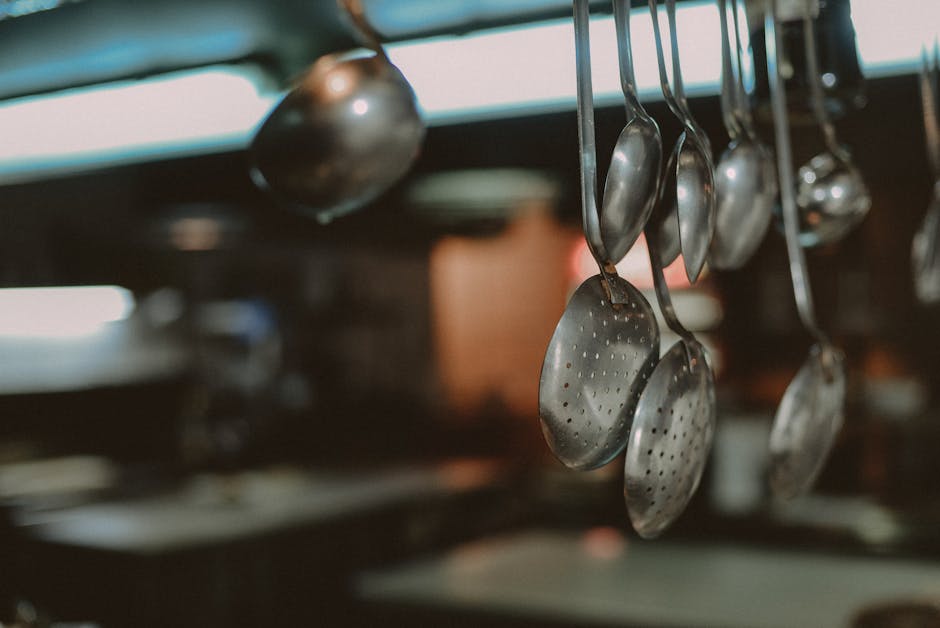
- A spider strainer (for pasta, blanching vegetables)
- A salad spinner (raw greens fresher when properly dried before storage)
These are universal kitchen items, not vegan-specific.
Brands and budget tier
For most of the 12 essentials, mid-range brands are excellent. Spending more (Vitamix vs lower-tier blender; Le Creuset vs Lodge enamelled) buys longevity and aesthetic, not necessarily a different cooking outcome.
A reasonable full-kitchen budget for the 12 essentials:
- Knife: $80–$150
- Blender: $200–$500 (Ninja or Cuisinart) or $400–$700 (Vitamix)
- Cast iron: $30
- Dutch oven: $60–$100
- Food processor: $100–$200
- Tofu press: $25
- Sheet pans (×2): $40
- Glass storage: $50
- Microplane: $15
- Steamer: $10–$30
- Instant Pot: $100
- Wok: $40–$70
Total: $760–$1,270 for the full kit, or $400–$700 if you go middle-budget on every item.
Skipping items
If you’re starting from a near-empty kitchen, prioritise: knife, blender, cast iron, sheet pan, Instant Pot, food processor, glass storage. The other five (tofu press, microplane, steamer, wok, Dutch oven) can wait or substitute in the short term.
Bottom line
A vegan kitchen doesn’t need every speciality gadget. Twelve well-chosen tools cover the great majority of plant-based cooking, with the blender, cast iron, and Instant Pot earning their counter space many times over per week. Spend on the items used most often; budget on the rest.
See also: kitchen gear hub, vegan grocery list, vegan meal planning 7-day starter, and — if you’re cooking for a crowd — our vegan holiday and special-occasion menus.
As an Amazon Associate, Stay Healthy Vegan earns from qualifying purchases. We may earn a commission when you click an affiliate link, at no extra cost to you. See our full disclosure for detail.