Vegan Omega-3: ALA Conversion vs Algae Oil
Omega-3 fatty acids exist in three forms relevant to humans: ALA (alpha-linolenic acid, found in flaxseed, chia, hemp, walnuts), EPA (eicosapentaenoic acid), and DHA (docosahexaenoic acid). EPA and DHA are the long-chain forms responsible for most of the documented cardiovascular and neurological benefits of omega-3. Plants provide ALA, but human conversion of ALA to EPA and DHA is poor — meta-analyses report 5–10% conversion in most adults. The reliable vegan-specific route to EPA and DHA is direct supplementation with algae oil. This guide covers the conversion problem, recommended doses, the algae-oil-vs-flax debate, and what the research actually shows.
The three omega-3 forms
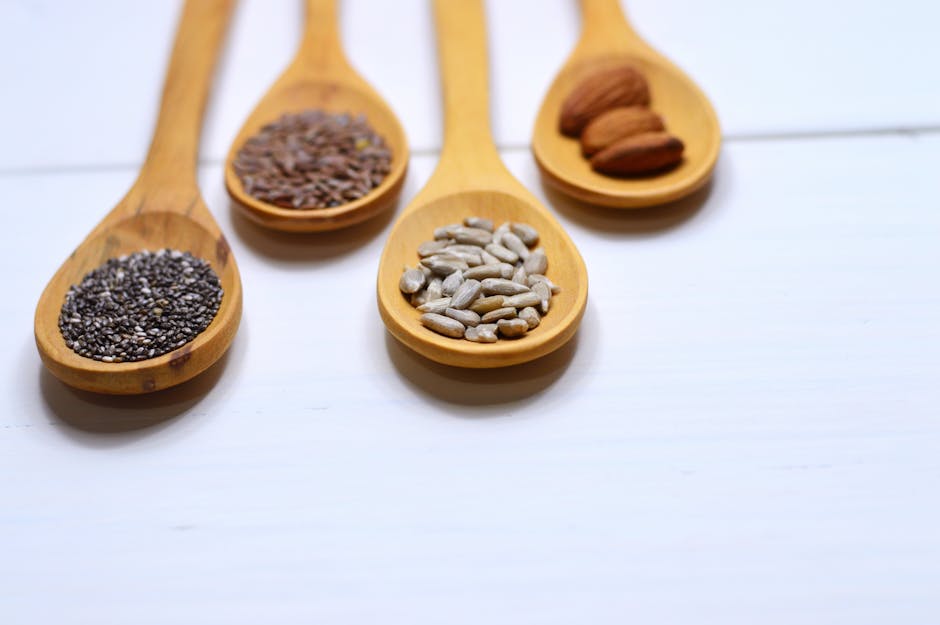
- ALA (18:3 n-3) — short-chain. Plant sources: flaxseed, chia, hemp seed, walnut, canola oil. Converted in the body to EPA and DHA.
- EPA (20:5 n-3) — long-chain. Found primarily in fatty fish (sourced via fish from algae) and algae oil supplements.
- DHA (22:6 n-3) — long-chain. Highly concentrated in brain and retinal tissue. Also from fish and algae.
The body can convert ALA → EPA → DHA, but this conversion is metabolically expensive and yields are typically low.
How much ALA converts to EPA and DHA?
Multiple meta-analyses (Burdge & Calder, 2005; Brenna et al., 2009) and the EAT-Lancet Commission’s review of dietary fats report:
- ALA → EPA conversion: ~5–10% in adult men, slightly higher in adult women (10–20%; estrogen partially supports the pathway)
- ALA → DHA conversion: ~0.5–4% in adults
- Pregnancy and infancy may show higher conversion rates (developmental demand for DHA is high)
The implication: a daily intake of 2–3g ALA from flaxseed yields roughly 100–300 mg EPA and 10–120 mg DHA — well below the 250–500 mg combined EPA+DHA daily intake recommended for cardiovascular protection by major bodies including the European Food Safety Authority and the Academy of Nutrition and Dietetics.
Why this matters
EPA and DHA are linked to:
- Cardiovascular outcomes — reduced triglycerides, slight reduction in blood pressure, reduced platelet aggregation. Multiple meta-analyses including the 2019 Cochrane Collaboration review on omega-3 and cardiovascular disease (Abdelhamid et al.).
- Neurological function — DHA is structurally important in brain tissue. Adequate DHA is associated with reduced cognitive decline in older adults in observational research.
- Pregnancy and infant development — DHA is critical for foetal brain and retinal development; the World Health Organization recommends 200 mg DHA/day during pregnancy and lactation.
- Eye health — DHA is the major omega-3 in retinal photoreceptors.
ALA itself has documented health benefits (some independent of EPA/DHA conversion), but most of the canonical omega-3 cardiovascular and neurological evidence is built on direct EPA and DHA intake or supplementation.
Algae oil: the vegan EPA/DHA source
Marine fish contain EPA and DHA because they consume algae (or other fish that consume algae). Algae are the original source. Cultivated marine microalgae (Schizochytrium and Crypthecodinium species) produce EPA and DHA directly and are the source for vegan omega-3 supplements.
Common vegan omega-3 algae-oil supplements deliver 200–500 mg combined EPA+DHA per capsule, sometimes higher. Examples include:
- VEDGE Nutrition Vegan Omega 3
- Nordic Naturals Algae Omega
- Future Kind Essential 8 (omega-3 included)
- Complement Plus
- Ovega-3
- Garden of Life Minami Algae Omega-3
For our reviewed picks, see best vegan omega-3.
Recommended daily intake
Authoritative guidance varies slightly:
- European Food Safety Authority: 250 mg EPA+DHA per day for cardiovascular health
- Academy of Nutrition and Dietetics: 250–500 mg EPA+DHA per day for adults
- American Heart Association: Recommends fish twice weekly for non-vegans; for vegans, the equivalent EPA+DHA intake from algae oil
- World Health Organization (pregnancy/lactation): 200 mg DHA/day specifically
A practical default: 250–500 mg combined EPA+DHA daily for adults; 200–300 mg DHA + 200 mg EPA during pregnancy and lactation.
Should I bother with ALA at all?
Yes — for a few reasons:
- ALA itself has documented benefits independent of conversion (lower LDL cholesterol, anti-inflammatory effects in some studies).
- Background ALA supports the conversion pathway. People with very low ALA intake may have even worse EPA/DHA conversion.
- Whole-food ALA sources (flaxseed, chia, walnuts, hemp seeds) carry other valuable nutrients — fibre, lignans, magnesium, manganese.
A daily 1–2 tablespoons of ground flaxseed or chia seed is a reasonable baseline. In addition to algae oil, not instead of.
Cooking note: ALA is heat-sensitive and oxidises. Buy whole flaxseed and grind in small batches; store in the fridge. Don’t cook with flax oil. Chia is more stable.
ALA-rich plant foods
| Food (1 serving) | ALA (g) |
|---|---|
| Flaxseed, ground (1 tbsp) | 1.6 |
| Chia seeds (1 tbsp) | 1.9 |
| Hemp seeds (3 tbsp) | 2.6 |
| Walnuts (1 oz / 28g) | 2.6 |
| Canola oil (1 tbsp) | 1.3 |
| Soy beans, cooked (½ cup) | 0.5 |
| Tofu (½ cup) | 0.4 |
ALA RDA (Adequate Intake) per NIH ODS: 1.6 g/day for adult men, 1.1 g/day for adult women. Most flax-or-chia-eating vegans easily exceed this.
The ALA-vs-algae debate
A small minority of vegan nutrition writers argue ALA-only is sufficient. The argument: in highly-controlled diets with very low omega-6 intake, ALA conversion can rise to higher percentages. While there is some research support for this in narrow conditions, in real-world vegan diets typical omega-6 intake (sunflower oil, soybean oil, processed foods) substantially suppresses ALA-to-EPA/DHA conversion.
Felix’s editorial position: for general vegan adults, algae oil is the safer, more reliable route to EPA and DHA. ALA-only sufficiency is an edge case requiring deliberate diet engineering.
Pregnancy, lactation, and infancy: the highest-priority case
DHA is required for foetal brain and retinal development from approximately week 26 of gestation onwards. Deficiency in maternal DHA has been associated with adverse infant neurodevelopmental outcomes.
The Vegan Society UK and most pregnancy-nutrition authorities specifically recommend algae-oil DHA supplementation during pregnancy and lactation for vegans. Target dose: 200–300 mg DHA per day, often combined with EPA (200 mg). A vegan prenatal vitamin should include adequate DHA — check the label. Standalone algae DHA supplementation is the alternative if the prenatal lacks it.
Children and vegan omega-3
Vegan children benefit from algae-oil DHA supplementation, particularly through age 2 (rapid brain development). Doses scale with age — a paediatric registered dietitian can guide specifics. Liquid algae-oil drops are typical for infants and young toddlers.
Practical routine
A workable daily routine:
- Morning: 1 tablespoon ground flaxseed in oatmeal, smoothie, or yogurt
- Daily: 1 algae-oil capsule (250–500 mg EPA+DHA combined)
- Variable: chia in puddings, hemp seeds on salads, walnuts as a snack — adds variety and additional ALA
What does NOT work as a vegan omega-3 source
- Coconut oil — no omega-3 (mostly saturated medium-chain fats)
- Olive oil — minimal omega-3
- “Omega-3 enriched” eggs — not vegan
- Spirulina, chlorella, seaweed — variable, unreliable for EPA/DHA in significant quantities
Bottom line
For most vegans, the omega-3 question has a simple answer: include flaxseed, chia, hemp, or walnuts in your diet for background ALA, and take a daily algae-oil supplement (250–500 mg EPA+DHA) for the long-chain forms. During pregnancy and lactation, dedicated DHA (200–300 mg) is non-negotiable. Conversion-reliance from flax alone is an edge case — algae oil is the cleaner, evidence-supported route.
See also: vegan B12 complete guide, vegan pregnancy nutrition pillar, and best vegan omega-3.