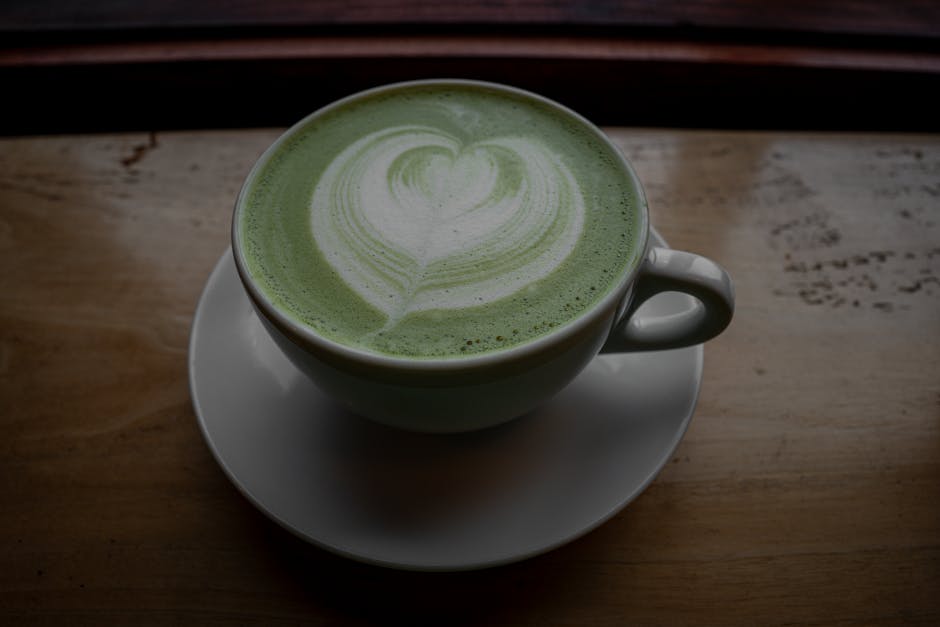
Vegan Matcha Latte (5 Minutes, No Bitterness)
A vegan matcha latte is inherently dairy-free — matcha (finely ground green tea powder) blended into warm plant milk with a little sweetener. The bitterness that many people associate with matcha lattes comes from two sources: low-quality matcha and water that’s too hot. Use ceremonial or culinary-grade matcha and water that’s just off the boil (not boiling), and the result is earthy, slightly sweet, and smooth.
Ingredients
- 1 teaspoon ceremonial or culinary grade matcha powder
- 2 tablespoons hot water (not boiling — 170–180°F / 75–80°C)
- ¾ cup (180 ml) oat milk (barista grade for best frothing)
- 1–2 teaspoons maple syrup (adjust to taste)
- Optional: ¼ teaspoon vanilla extract
Method
For hot matcha latte:
- Sift the matcha. Sift 1 teaspoon of matcha powder through a fine-mesh strainer into a mug or matcha bowl. Sifting removes clumps and produces a smoother drink.
- Whisk with hot water. Add 2 tablespoons of hot water (170–180°F / 75–80°C). Whisk vigorously in a W or M motion until fully dissolved and slightly frothy. A traditional bamboo matcha whisk (chasen) produces the best foam; a small milk frother or regular whisk also works.
- Heat and froth oat milk. Heat oat milk in a small saucepan until steaming (not boiling). Use a milk frother to froth until creamy and foamy.
- Add sweetener. Stir maple syrup and vanilla (if using) into the matcha paste.
- Combine. Pour frothed oat milk over the matcha. Serve immediately.
For iced matcha latte:
- Sift matcha into a small bowl. Whisk with 2 tablespoons of cold water until dissolved (use a frother for best results with cold water).
- Add maple syrup and vanilla; stir.
- Fill a glass with ice. Pour cold oat milk over the ice (about ¾ cup).
- Pour matcha mixture over the milk. Stir to combine or leave layered for presentation.
Tips
Water temperature matters. Boiling water (212°F / 100°C) makes matcha bitter by extracting bitter compounds aggressively. Water at 170–180°F (75–80°C) produces a smoother, sweeter extraction. Let just-boiled water sit for 2–3 minutes to cool slightly.
Sift the matcha. Unsifted matcha has clumps that don’t dissolve fully, leaving green lumps in the drink. Takes 10 seconds.
Whisk until no visible powder remains. Matcha that’s not fully dissolved tastes gritty and bitter. Whisk thoroughly.
Quality of matcha matters significantly. Culinary-grade matcha (intended for lattes and cooking) is more affordable than ceremonial grade and produces a perfectly good latte. Very cheap matcha powder is often dull in color and bitter — worth investing slightly more. Look for vibrant green color.
Matcha Grades
Ceremonial grade: Highest quality, intended for drinking with just water (traditional Japanese tea ceremony). Very smooth, slightly sweet.
Culinary grade (latte grade): Intended for lattes, smoothies, and baking. More affordable, slightly more bitter — the sweetener and oat milk balance this out in a latte context.
Avoid ingredient label matcha: Products labeled “matcha powder mix” or “matcha latte mix” often contain sugar, milk powder, or fillers. Use pure matcha powder.
Variations
Matcha oat milk: Simply whisk matcha into cold oat milk for an everyday iced drink, no sweetener needed if your oat milk is already sweet.
Matcha protein shake: Whisk matcha into a smoothie base with frozen banana and plant protein powder.
Matcha vanilla latte: Increase vanilla to ½ teaspoon for a more pronounced vanilla note against the matcha.
FAQ
Does matcha contain caffeine? Yes — matcha contains caffeine, roughly 70 mg per teaspoon (similar to half a cup of coffee). Matcha also contains L-theanine, which is thought to produce a calmer, more focused alertness compared to coffee.
Is matcha latte healthy? Matcha is the powdered whole leaf of green tea and contains antioxidants and other compounds. A matcha latte with oat milk and minimal sweetener is a light, low-calorie drink.
For a caffeine-free warming vegan drink, see vegan golden milk. Browse all vegan drinks at the drinks hub.