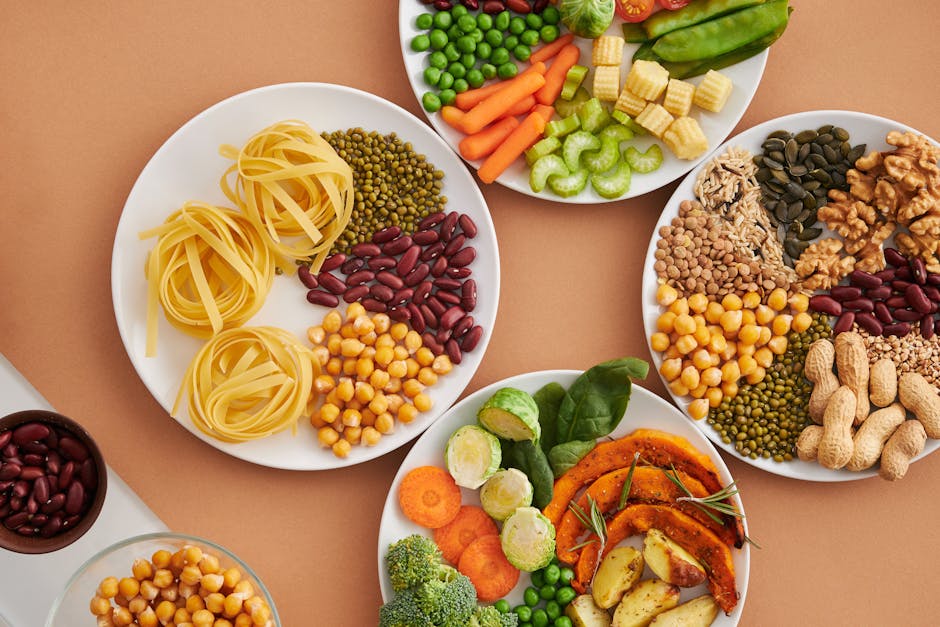
Vegan Diet Pros and Cons: 2026 Evidence-Based Review
A well-planned vegan diet is associated with lower rates of cardiovascular disease, type 2 diabetes, and several common cancers in observational research, and consistently scores lower for environmental impact than diets built around animal foods. It also requires deliberate planning for vitamin B12 and benefits from attention to omega-3 EPA/DHA, iron, vitamin D, calcium, and iodine. The honest summary below works through the documented benefits, the genuine considerations, and the trade-offs that don’t get talked about as often. Every claim cites a verifiable source.
What “vegan diet” means in this article
For clarity: a vegan diet excludes all animal-derived foods — meat, fish, shellfish, dairy, eggs, honey, and ingredients sourced from animals (such as gelatin and isinglass). This article covers the diet specifically; the broader vegan lifestyle (clothing, personal care, ethical framing) is covered in our plant-based vs vegan difference guide.
Pros: the documented benefits
1. Cardiovascular disease risk
Plant-predominant diets are consistently associated with lower LDL cholesterol, lower blood pressure, and lower coronary heart disease incidence in observational research. The American Heart Association’s 2021 scientific statement on dietary patterns identified diets emphasising vegetables, fruits, whole grains, and legumes — and minimising red and processed meats — as supporting cardiovascular health. Strict vegan diets sit at one end of this spectrum.
A widely-cited 2019 prospective cohort analysis in the Journal of the American Heart Association (Kim et al., 2019) reported a 16% lower coronary heart disease incidence in participants with the highest plant-based diet quality scores compared to the lowest. The association is robust to multiple controls, though as with all observational nutrition research, causation is harder to establish than correlation.
2. Type 2 diabetes risk
A 2019 systematic review in JAMA Internal Medicine (Qian et al., 2019) of nine prospective cohorts reported a 23% lower type 2 diabetes incidence for higher adherence to plant-based diets. The strength of the association increased when “healthful plant-based” diet quality was distinguished from “unhealthful plant-based” (i.e., refined-grain and sugar-heavy plant diets), supporting the broader observation that diet quality within the vegan label matters significantly.
3. Body weight and BMI
Vegan diets are associated with lower body mass index in observational research, on the order of 1–2 BMI points across population studies. The mechanism is most likely calorie density: whole plant foods are typically less energy-dense than animal foods, supporting satiety at a lower calorie load. This is not a guarantee — highly processed vegan diets do not show the same association.
4. Cancer risk (specific cancers, with nuance)
The World Health Organization’s International Agency for Research on Cancer classified processed meat as Group 1 carcinogenic and red meat as Group 2A probably carcinogenic in 2015. Removing both reduces an exposure with documented colorectal cancer association. Plant-predominant diets are also associated with lower risk for some other cancers in observational research (notably colorectal and possibly breast), though associations are weaker and less consistent than the cardiovascular and diabetes findings.
5. Environmental footprint
The EAT-Lancet Commission’s 2019 report concluded that food production accounts for about a quarter of global greenhouse gas emissions, with animal agriculture responsible for the majority of this share. Per-calorie greenhouse-gas emissions are typically 10–50× higher for ruminant meat than for plant proteins, and land-use requirements differ by similar magnitudes. Vegan diets sit at the lower end of dietary environmental impact across all standard measures.
6. Microbiome diversity
A growing body of research links higher dietary fibre intake to greater gut-microbiome diversity, which is associated with multiple downstream health markers. Vegan diets typically include 40–80g fibre per day compared to a 15–25g typical Western intake — a substantial increase. The American Gut Project’s analyses (McDonald et al., 2018) reported greater microbiome diversity in higher-fibre, higher-plant-variety eaters.
Cons: the genuine considerations
1. Vitamin B12 supplementation is required
There is no reliable plant-food source of bioavailable vitamin B12. Fortified foods and nutritional yeast contribute, but a dedicated B12 supplement is the safe baseline. Long-term unsupplemented vegan diets carry a risk of B12 deficiency, which can cause irreversible neurological damage if undetected. Per the NIH Office of Dietary Supplements, supplementation is straightforward and inexpensive — this is a planning step, not a barrier.
2. Omega-3 EPA/DHA needs intentional planning
ALA-to-EPA/DHA conversion is poor (5–10% in most adults per published meta-analyses). Direct algae-oil supplementation provides EPA/DHA on a vegan diet and is particularly recommended during pregnancy and for cardiovascular protection. See our omega-3 guide for the full picture.
3. Iron, zinc, and iodine require attention
Plant iron is non-heme; bioavailability is improved by vitamin C pairing and reduced by tea/coffee timing. Zinc absorption is reduced by phytates in legumes and grains, requiring slightly higher intake. Iodine is largely absent from typical plant foods other than seaweed (which can be highly variable). Iodised salt or a 150 mcg supplement closes the gap. None of these are insurmountable; all benefit from deliberate planning.
4. Social and practical friction
Eating with friends and family who don’t share the diet, eating out in mid-tier casual restaurants, and travelling in regions where plant-based options are scarce are real ongoing trade-offs. Most experienced vegans navigate this fine, but it is genuinely additional cognitive load — particularly in the first six to twelve months.
5. Risk of relying on processed vegan products
Vegan ice cream, vegan cheese, vegan burgers, and vegan ready-meals are useful for transition but vary widely in nutritional quality. A diet built on these products can deliver high saturated fat, high sodium, and low fibre — none of the cardiovascular benefit associated with whole-food plant-based eating. The “junk food vegan” pattern is real and worth being deliberate about.
6. Calcium intake takes intentional sourcing
Plant calcium sources (fortified plant milks, calcium-set tofu, leafy greens like collard and kale, sesame seeds, almonds, beans) reliably meet RDA when intentionally included. Without intent — for example, replacing dairy with non-fortified almond milk and not adjusting elsewhere — calcium intake can drop substantially. Per NIH ODS, 1000–1200 mg/day is the adult target. Our vegan calcium guide walks through reliable sourcing.
7. Disordered-eating risk in vulnerable individuals
Elimination diets in general, and dietary identity built on what’s removed rather than what’s added, can interact poorly with disordered-eating tendencies. This is not a knock against veganism — it’s a flag for the small group of people for whom any restrictive diet warrants supervised support.
What the evidence does NOT support
A few claims circulate in popular discussions that the evidence does not support:
- “Vegan diets cure cancer.” Plant-predominant diets are associated with lower risk of certain cancers; they do not cure disease.
- “Vegan diets reverse heart disease.” Low-fat plant-based diets combined with exercise and stress management have been associated with reduction in coronary plaque burden in small published trials (Ornish et al., 1990; Esselstyn, 2014). Replication in larger trials is limited; “reverse” is stronger than the evidence supports for individual outcomes.
- “Vegan diets are inherently healthier than omnivorous diets.” A well-planned omnivorous diet (Mediterranean, plant-predominant, low in processed and red meat) shows similar long-term outcomes in most population studies. Quality within either pattern matters more than the vegan/omnivore label.
The verdict
A well-planned vegan diet:
- Is associated with lower cardiovascular disease and type 2 diabetes risk (observational evidence)
- Has substantially lower environmental impact than animal-based diets (well-established)
- Requires B12 supplementation (non-negotiable)
- Benefits from attention to omega-3, iron, calcium, vitamin D, and iodine (planning)
- Is appropriate for all life stages per Academy of Nutrition and Dietetics 2016 position
- Is socially additional cognitive load, particularly in the first year
Whether the trade-off works for any individual depends on motivation, life context, and willingness to plan. For most people who plan it well, the benefits outweigh the costs. For some, the social cost outweighs the benefit. Both are legitimate conclusions.
See also: common vegan myths debunked, our B12 complete guide, and the nutrition deep-dive hub.