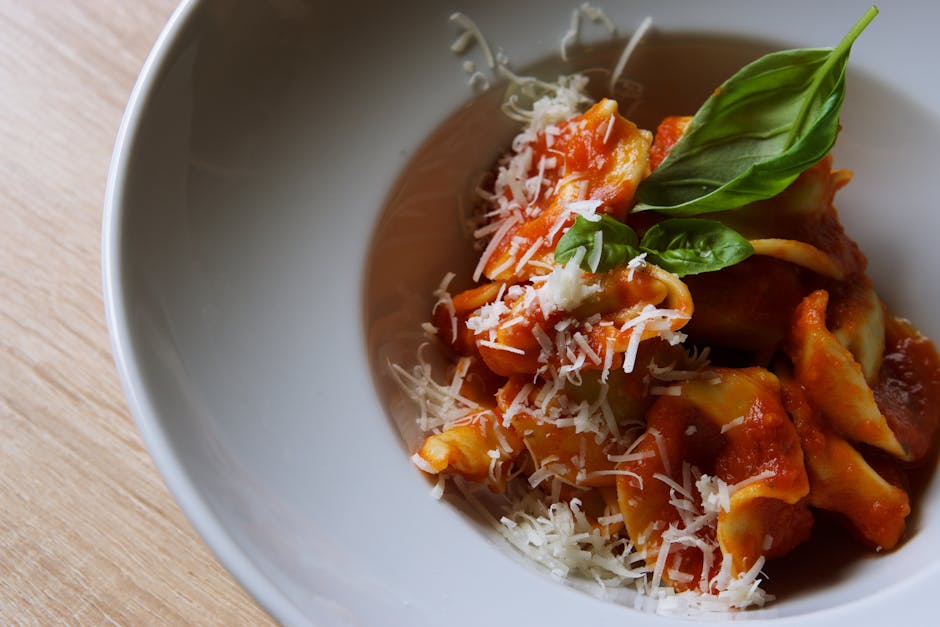
Vegan Pasta Recipe (Aglio e Olio, 20 Minutes)
Spaghetti aglio e olio — garlic and oil pasta — is the most elemental Italian pasta and one of the best things that can be made in under 20 minutes. Five ingredients, one pan, one pot. The technique is everything: gently cooked sliced garlic (not burned), good olive oil, chili, and starchy pasta water emulsified into a silky sauce that coats every strand. It’s inherently vegan, historically so, and needs no substitution.
Ingredients
- 8 oz (225 g) spaghetti or linguine
- 5 tablespoons good extra-virgin olive oil (the quality of the oil matters here)
- 5–6 garlic cloves, thinly sliced (not minced — sliced)
- ½ teaspoon red pepper flakes (or more to taste)
- ½ cup (120 ml) pasta cooking water, reserved
- ¼ cup (15 g) fresh flat-leaf parsley, roughly chopped
- Salt and black pepper
- Vegan Parmesan or nutritional yeast to serve (optional)
Method
- Salt the pasta water heavily. Bring a large pot of water to a boil. Salt it generously — it should taste noticeably salty (like mild sea water). This is your only opportunity to season the pasta itself.
- Cook pasta. Cook spaghetti according to package directions until 1 minute before al dente. It will finish cooking in the sauce.
- Reserve pasta water. Before draining, scoop out at least ½ cup of pasta cooking water. This starchy water is the key to the sauce — don’t skip it.
- Cook the garlic. While pasta cooks, heat olive oil in a large skillet over medium-low heat. Add sliced garlic. Cook slowly for 3–4 minutes, stirring gently, until it just turns pale golden at the edges. Watch carefully — garlic goes from golden to burned in seconds. Burned garlic is bitter and will ruin the dish.
- Add chili. Add red pepper flakes. Cook for 30 seconds.
- Add pasta and water. Add drained pasta directly to the skillet. Add ¼ cup of pasta water. Toss vigorously — the starch in the water emulsifies with the oil to create a sauce that clings to the pasta. Add more pasta water if the pasta looks dry.
- Finish. Remove from heat. Add parsley and toss to combine. Taste and adjust salt, pepper, and chili flakes.
- Serve immediately. Aglio e olio waits for no one — it’s best eaten straight from the pan.
Tips
Slice, don’t mince the garlic. Sliced garlic becomes golden and nutty in oil. Minced garlic burns immediately at the same temperature. Thin, even slices are the correct preparation.
Medium-low heat. Garlic in hot oil burns. Use medium-low heat and watch it constantly. Golden at the edges — not brown, not burned.
Starchy pasta water is the sauce. The starch creates an emulsion with the olive oil that coats the pasta. Without it, you have oily noodles. Reserve more than you think you need.
Use the best olive oil you have. With only five ingredients, the quality of each ingredient is visible. Good extra-virgin olive oil makes a significant difference in this dish.
Variations
With sun-dried tomatoes: Add ¼ cup of chopped sun-dried tomatoes with the garlic.
With capers: Add 2 tablespoons of rinsed capers and a squeeze of lemon at the end.
With white beans: Toss in ½ cup of drained cannellini beans with the pasta — adds protein and makes it more filling.
With breadcrumbs: Toast ¼ cup of breadcrumbs in a dry pan with a pinch of salt. Sprinkle over the finished pasta for crunch (this is a traditional Italian technique — “poor man’s Parmesan”).
Cooking for two on a special night? Our vegan date-night dinner builds a whole menu around fresh, egg-free pasta.
FAQ
Is aglio e olio already vegan? Yes — the traditional recipe contains only spaghetti, garlic, olive oil, chili, and parsley. It has always been plant-based. No substitutions needed.
What pasta works best? Long pasta (spaghetti, linguine, bucatini) is traditional because the olive oil sauce coats the strands evenly. Short pasta absorbs the sauce differently and works but isn’t traditional.
For a richer vegan pasta dish, see the vegan pasta bake. Browse all vegan main meals at the main meals hub.