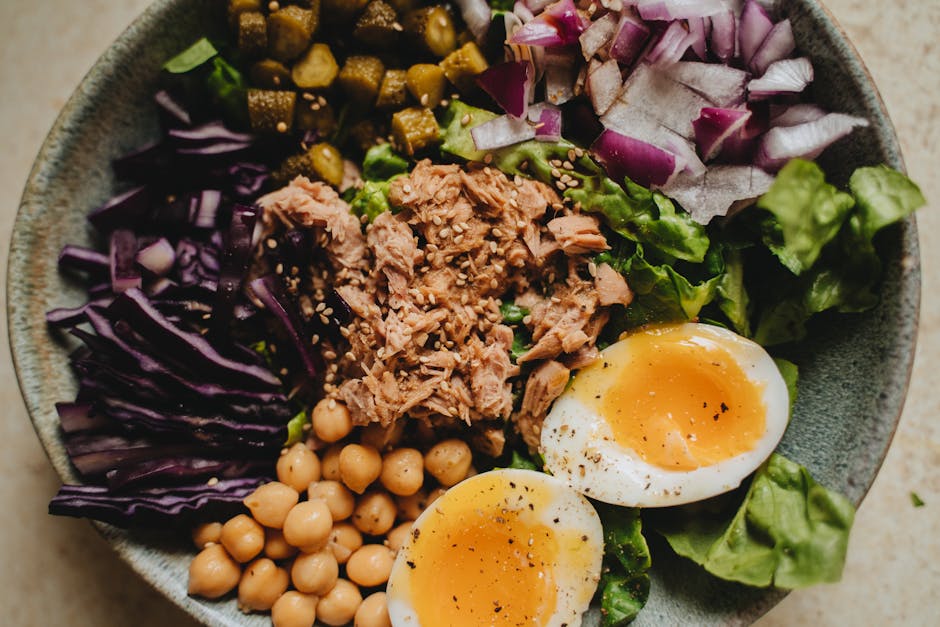
Vegan Buddha Bowl (The Formula, Infinite Variations)
A buddha bowl is any composed bowl that follows the grain + roasted vegetable + protein + greens + sauce formula. The formula is more important than any specific recipe — once you understand the structure, you can build a satisfying, nutritionally complete bowl from almost anything in your pantry or fridge. This article gives you the formula, three complete bowl ideas, and a tahini dressing that works with all of them.
The Formula
1. Grain base (about ½ cup cooked per serving): Quinoa, brown rice, farro, millet, bulgur, or couscous
2. Roasted vegetables (1–2 cups per serving): Sweet potato, broccoli, cauliflower, bell pepper, zucchini, beets, mushrooms, asparagus — tossed in oil and salt, roasted at 400–425°F
3. Plant protein: Chickpeas, lentils, edamame, tofu, tempeh, black beans, white beans
4. Greens: Raw: arugula, baby spinach, mixed greens, kale (massaged with lemon) Or cooked: wilted spinach, steamed broccoli
5. Sauce (2–3 tablespoons): Tahini dressing (below), peanut sauce, hummus, miso-ginger, green goddess
Extras (optional): Avocado, pickled vegetables, nuts/seeds, fresh herbs, fresh lemon, hot sauce
All-Purpose Tahini Dressing
This dressing works with almost any combination:
- 3 tablespoons tahini
- 2 tablespoons lemon juice
- 1 tablespoon maple syrup
- 1 garlic clove, minced or grated
- Pinch of salt
- 3–5 tablespoons warm water (to thin)
Whisk together, adding water until pourable. Taste and adjust — more lemon for brightness, more maple for sweetness, more salt if flat.
3 Complete Bowl Ideas
Bowl 1: Classic Roast Veggie
- Base: Quinoa
- Roasted: Sweet potato + chickpeas (roasted together at 425°F/220°C, 25 min)
- Greens: Baby spinach
- Sauce: Tahini dressing
- Extras: Sliced avocado, pumpkin seeds
Bowl 2: Mediterranean
- Base: Farro or couscous
- Roasted: Zucchini + cherry tomatoes + red onion (425°F/220°C, 20 min)
- Protein: White beans or falafel (store-bought or homemade)
- Greens: Arugula
- Sauce: Hummus + drizzle of olive oil
- Extras: Cucumber, olives, fresh parsley, lemon
Bowl 3: Asian-Inspired
- Base: Brown rice or soba noodles
- Roasted: Broccoli + mushrooms (425°F/220°C, 20 min)
- Protein: Edamame or baked tofu
- Greens: Shredded red cabbage
- Sauce: Peanut sauce or miso-ginger dressing
- Extras: Sliced cucumber, green onion, sesame seeds, sriracha
How to Build a Buddha Bowl
- Cook the grain. If using quinoa or rice, rinse first. Cook according to package directions. Fluff and season lightly with salt.
- Roast the vegetables. Toss vegetables and protein (if roasting) with oil, salt, and any spices. Roast at 400–425°F (200–220°C) for 20–30 minutes, flipping halfway.
- Make the dressing. Whisk ingredients while vegetables roast.
- Assemble. Place grain in the base of a wide bowl. Arrange vegetables, protein, and greens in sections around the bowl.
- Dress and add extras. Drizzle with sauce. Add any extras (avocado, seeds, herbs).
- Serve. Serve immediately, or pack for lunch (keep dressing separate).
Meal Prep
Buddha bowls are the best meal-prep lunch:
- Cook a batch of quinoa on Sunday
- Roast two sheet pans of vegetables
- Cook a pot of chickpeas or lentils
- Make a jar of tahini dressing (keeps 1 week)
Pack components separately and assemble at lunchtime. Don’t dress in advance — greens wilt.
FAQ
Why is it called a buddha bowl? The name is believed to come from the rounded, overflowing bowl shape resembling the round belly of a buddha statue. It has no formal culinary origin — it became popular in Western plant-based food culture in the 2010s.
Can I make it ahead? Yes — prep all components and store separately in the fridge. Assemble just before eating. Assembled bowls with dressing wilt and become less appealing overnight.
For a warm grain bowl breakfast version, see the vegan breakfast bowl. Browse all vegan main meals at the main meals hub.