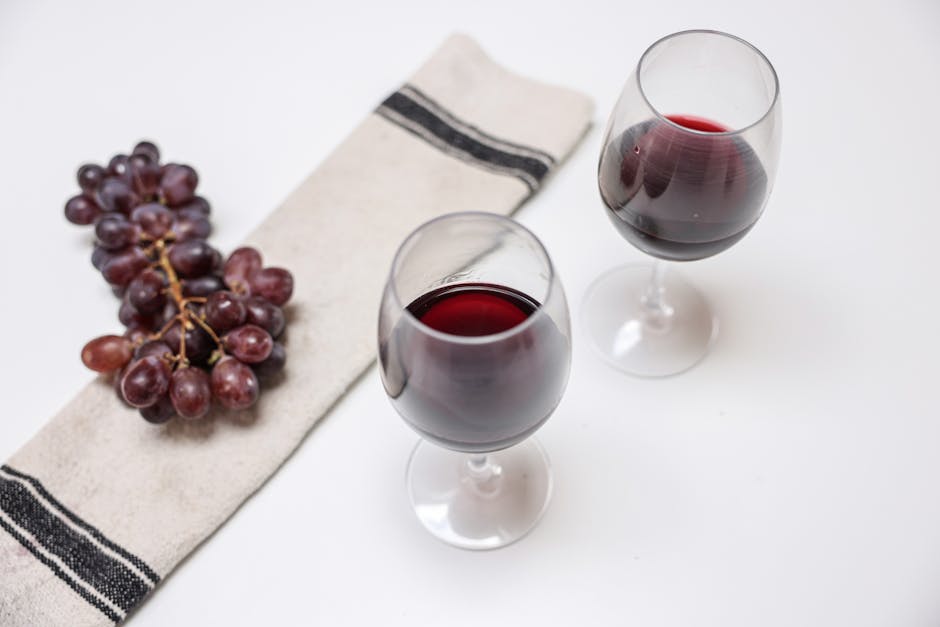
Is Wine Vegan?
Wine is not always vegan. While grapes are plant-based, many winemakers use animal-derived fining agents to clarify wine — removing proteins, tannins, and yeast sediment. Common fining agents include isinglass (from fish bladders), casein (milk protein), albumin (egg whites), and gelatin (from animal bones). These agents are filtered out before bottling, but trace amounts may remain, and the process involves animal products.
Why Winemakers Use Fining Agents
Freshly fermented wine is often hazy from suspended proteins and yeast particles. Fining agents speed clarification by binding to these particles and causing them to settle.
| Fining Agent | Animal Source | Common Use |
|---|---|---|
| Isinglass | Fish bladder | White wine, beer |
| Casein | Milk protein | White wine |
| Albumin | Egg whites | Red wine |
| Gelatin | Animal bones | Red and white wine |
How to Find Vegan Wine
Use Barnivore (barnivore.com): The most reliable resource. Covers thousands of wine labels worldwide and is regularly updated by the vegan community.
Look for vegan certification: The easiest route is to buy wine labeled “vegan” or certified by a recognized body.
Vegan-friendly fining agents: Bentonite (clay), activated charcoal, silica gel, and kaolin are plant-mineral alternatives used by vegan-friendly wineries.
Vegan Wine Brands (US)
- Frey Vineyards — certified organic and vegan
- Bonterra — organic; most varieties vegan-friendly
- Usual Wines — explicitly markets vegan-friendly production
Always verify on Barnivore before purchasing.
FAQ
Is all organic wine vegan? Not necessarily. Organic certification relates to farming practices, not to fining agents. An organic wine can still be fined with isinglass.
Is sparkling wine vegan? Not always. The same fining agent issue applies. Check Barnivore for specific products.
Does vegan wine taste different? No. Vegan fining agents are equally effective at clarifying wine.
For more tips on navigating vegan lifestyle choices, visit the lifestyle hub. More answers in the Is This Vegan? Q&A category.