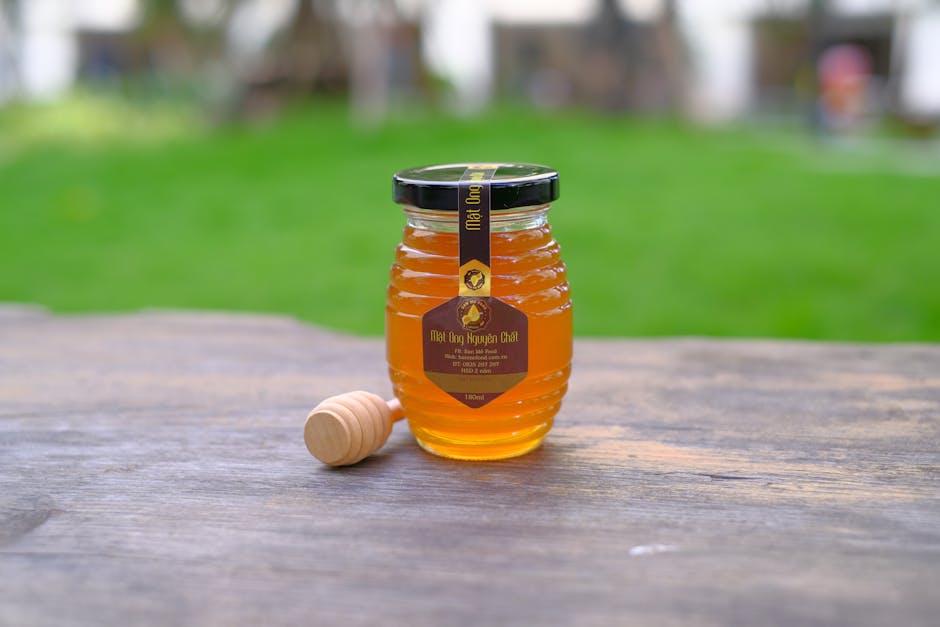
Is Honey Vegan?
No — honey is not considered vegan by most vegan organizations, including the Vegan Society. Bees are animals, and honey is produced by bees from nectar they collect and process. The Vegan Society’s definition of veganism excludes products that involve the exploitation of animals, and honey production typically involves practices that harm bee colonies — including queen clipping, hive destruction, and replacing honey with sugar syrup. That said, views vary across the vegan community, and some vegans choose to consume honey.
Why the Vegan Society Excludes Honey
The Vegan Society has held since 1944 that honey is not vegan. Their reasoning:
- Bees are sentient animals. Research suggests bees experience something analogous to pain and have complex social structures (Barron & Klein, 2016, Proceedings of the National Academy of Sciences).
- Beekeeping practices exploit bee labor. Bees produce honey as food for the colony over winter. Commercial beekeeping harvests that honey and replaces it with cheaper sugar syrup, which is nutritionally inferior to honey for bees.
- Queen bee practices cause harm. Many commercial operations clip the wings of queen bees to prevent swarming and kill colonies that are not economically productive.
What Honey Actually Contains
Honey is a natural food product made from floral nectar processed by worker bees. It contains:
- Simple sugars (fructose ~40%, glucose ~30%)
- Water (~17%)
- Trace amounts of enzymes, amino acids, vitamins, and minerals
- Bee pollen and propolis in raw honey
None of these ingredients are inherently non-vegan — the issue is the process by which honey is produced, not the chemical composition of the product itself.
The Caveat: Not All Vegans Agree
Honey sits in a grey zone for many vegans. Arguments you will encounter on both sides:
Against consuming honey:
- Bees are animals; taking their food is exploitation
- Commercial beekeeping causes documented harm to bees
- There are easy alternatives
For consuming local or wild honey:
- Small-scale beekeeping may not involve harmful practices
- Bees benefit local ecosystems (pollination); supporting small beekeepers may support bee populations
- The ethical stakes are lower than with factory-farmed animals
The Vegan Society’s position remains clear: honey is not vegan. Individual vegans make their own call.
Vegan Alternatives to Honey
These plant-based sweeteners replicate honey’s role in recipes and beverages:
| Alternative | Flavor Profile | Best For |
|---|---|---|
| Maple syrup | Rich, complex | Baking, oatmeal, dressings |
| Agave nectar | Mild, slightly floral | Drinks, marinades |
| Brown rice syrup | Mild, slightly buttery | Granola bars, binding |
| Date syrup | Deep, caramel-like | Baking, spreading |
| Coconut nectar | Light, slightly coconutty | Dressings, dips |
Agave nectar is the most direct swap for recipes calling for honey — similar viscosity and a neutral sweetness that doesn’t overpower other flavors.
FAQ
Is raw honey more vegan than processed honey? No. The raw vs. processed distinction does not change the fundamental ethical concern. Raw honey still comes from bees, and raw-honey production involves the same beekeeping practices.
Why do some vegans eat honey? Some vegans hold a harm-reduction position — they exclude products from large-scale animal agriculture but accept trace animal products where direct suffering is harder to establish. Others argue the line must be drawn at all animal products to remain philosophically consistent. Both positions exist within vegan communities.
Is bee pollen vegan? No. Bee pollen is collected from bees (sometimes by devices that scrape pollen off bees as they enter the hive), and the Vegan Society explicitly excludes it. Avoid bee pollen, royal jelly, and propolis if following strict vegan guidelines.
For a complete guide to vegan supplement options that don’t rely on animal-derived additives, see the supplements hub. More “is this vegan?” questions answered in the Is This Vegan? Q&A category.